Flu season and getting your Flu jab

Flu vaccine

The flu vaccine helps protect against flu, which can be a serious or life-threatening illness. It’s offered on the NHS every year in autumn or early winter to people at higher risk of getting seriously ill from flu.

Information:

This page is about the flu vaccine for adults. There are also pages about the children’s flu vaccine and flu jab in pregnancy.

Who should have the flu vaccine

The flu vaccine is recommended for people at higher risk of getting seriously ill from flu.

It’s offered on the NHS every year in autumn or early winter.

You can get the free NHS flu vaccine if you:

  • are aged 65 or over (including those who will be 65 by 31 March 2026)
  • have certain long-term health conditions
  • are pregnant
  • live in a care home
  • are the main carer for an older or disabled person, or receive a carer’s allowance
  • live with someone who has a weakened immune system

Frontline health and social care workers can also get a flu vaccine through their employer.Health conditions that mean you’re eligible for the flu vaccine

The flu vaccine is recommended for people with certain long-term health conditions, including:

  • conditions that affect your breathing, such as asthma (needing a steroid inhaler or tablets), chronic obstructive pulmonary disease (COPD) or cystic fibrosis
  • heart conditions, such as coronary heart disease or heart failure
  • chronic kidney disease
  • liver disease, such as cirrhosis or hepatitis
  • some conditions that affect your brain or nerves, such as Parkinson’s disease, motor neurone disease, multiple sclerosis or cerebral palsy
  • diabetes or Addison’s disease
  • a weakened immune system due to a condition such as HIV or AIDS, or due to a treatment such as chemotherapy or steroid medicine
  • problems with your spleen, such as sickle cell disease, or if you’ve had your spleen removed
  • a learning disability
  • being very overweight – a body mass index (BMI) of 40 or above

Speak to your GP surgery or specialist if you have a health condition and you’re not sure if you’re eligible for the flu vaccine.

How to get the flu vaccine

Most eligible people can get the flu vaccine from 1 October 2025.

Some people, including anyone who is pregnant, can get vaccinated from 1 September 2025.

You can get a flu vaccine from:

  • your GP surgery
  • your maternity service (if you’re pregnant)
  • your care home (if you live in a care home)
  • your employer (if you’re a health or social care worker)

Frontline health or social care workers

Frontline health and social care workers should get the flu vaccine through their employer.

If you cannot get a flu vaccine through your employer, or your GP surgery if you’re employed:

  • by a registered residential care or nursing home
  • by a registered domiciliary care provider
  • by a voluntary managed hospice provider
  • through direct payments or personal health budgets

Important:

Vaccination appointments will take place from 1 October 2025.

Information:

Having the flu vaccine at the same time as other vaccines

You can have the flu vaccine at the same time as other vaccines such as the COVID-19 and shingles vaccines.

It’s not usually given at the same time as the RSV vaccine, but you can have them at the same time if a doctor or nurse thinks it’s needed.

Who cannot have the flu vaccine

Most people who are eligible for the flu vaccine can have it.

You only cannot have the vaccine if you’ve had a serious allergic reaction (anaphylaxis) to a previous dose of the vaccine or an ingredient in the vaccine.

Some of the flu vaccines used in the UK contain egg protein. Tell the person vaccinating you if you have an egg allergy.

Information:

Getting vaccinated if you’re unwell

If you have a high temperature, wait until you’re feeling better before having your flu vaccine.

Flu vaccine ingredients

There are several types of flu vaccine given in the UK. If you’re eligible for the flu vaccine on the NHS, you’ll be offered one of the types that’s most appropriate for you.

You can check the ingredients in the patient leaflets.Vaccines for people aged 65 and over

Vaccines for people aged 60 to 64

Vaccines for people aged 50 to 59

Vaccines for people aged 18 to 49

Side effects of the flu vaccine

The most common side effects of the flu vaccine are mild and get better within 1 to 2 days.

They can include:

  • pain or soreness where the injection was given
  • a slightly raised temperature
  • an aching body

More serious side effects such as a severe allergic reaction (anaphylaxis) are very rare. The person who vaccinates you will be trained to deal with allergic reactions and treat them immediately.

The injected flu vaccines used in the UK do not contain live flu viruses. They cannot give you flu.

Information:

More about vaccine safety

Find out more about why vaccinations are important and the safest way to protect yourself

How well the flu vaccine works and how long it lasts

The flu vaccine aims to protect you against the most common types of flu viruses.

There’s still a chance you might get flu after getting vaccinated, but it’s likely to be milder and not last as long.

The vaccine usually takes up to 14 days to work.

Protection from the flu vaccine goes down with time and the types of flu virus the vaccine protects against are updated each year. This is why it’s important to get the flu vaccine every year.

Page last reviewed: 23 November 2023
Next review due: 23 November 2026

Source: NHS Choices

Private Report Request Form

Letters and Forms

We are able to provide a range of letters, certificates, and medical reports (including ‘To Whom It May Concern’ letters) for our registered patients. While some forms are free under the NHS, others fall outside of our NHS contractual obligations and therefore attract a fee (Please appreciate that this is a non refundable fee, once the work is completed, you will not be eligible for a refund).

Free of Charge Forms (NHS-funded):

We complete the following forms free of charge:

  • Council Tax Discount Forms (Mental Health)
  • Universal Credit Forms
  • PIP (Personal Independence Payment) Forms
  • DSA (Disabled Students’ Allowance) Forms
  • Sure Start Maternity Grant Forms

Non-NHS Services and Fees:

In line with British Medical Association (BMA) guidance, we charge for non-NHS administrative services. These include requests for medical letters, certificates, and reports that are not covered by the NHS such as those for insurance, employment, housing, or fitness to participate in certain activities. These services are provided at the discretion of the GP and are subject to availability.

As this work is not part of our NHS contract, we must prioritise NHS care, and response times may vary. Please allow adequate time when submitting requests. In some cases, we may require an appointment or need to obtain records from PCSE (Primary Care Support England), which can cause further delays.

Although these are not formal SLAs (Service Level Agreements), we aim to complete requests within the following timeframes from receipt of payment:

  • Letters: within 5 working days
  • Medical Reports / Certificates / Forms: within 30 working days

For a list of fees, please refer to our Non-NHS Services Price List below or contact the surgery directly.

Services We Do Not Provide

Please note that we reserve the right not to complete certain non-NHS reports, certificates, or forms. If you submit a request and it falls outside the scope of what we can provide, a member of our support team will contact you to inform you accordingly.

The following are services we are unfortunately unable to offer:

  • Scuba diving medical forms
  • Acting as a referee for passport applications
  • Court-related letters: We are unable to provide letters for court unless we receive official documentation or forms directly from the court or a solicitor.
  • Marathon and sporting event fitness letters: We do not offer diagnostic fitness assessments or clearance for participation in marathons or other sporting events. However, we can provide a statement of fact based solely on information available in your NHS medical record, along with a disclaimer.

If in doubt, or if the event has strict medical requirements, we recommend seeking assessment from a private sports medicine clinic.

Our fees

CERTIFICATESCOST
Cremation Certificate£82
Medical ReportCost Varies
Requests for GP input from Occupational Report with examination£145.00
Private GP Consultation (10minutes)£40.00 per 10 minutes
Private Prescription£10
DVLA Examination and report£150 Sight test to be done and stamped by opticians
before GP appointment.
Paternity TestingVaries
Private Sick Note£30
Private Referral LetterNo charge for our patients
Lasting Power of Attorney (Per Person)£300
Lasting power of attorney, witnessing at surgery£50.00
Lasting power of attorney, witnessing at home£80.00
Diving/Scuba fitness to doNot available
Fitness to Travel Certificate£60.00
Fitness to exercise£30.00
Fostering FormInvoices on forms
Holiday cancellation Insurance Form/Letter£45.00
Cancellation of Gym Membership£50.00
Hepatitis B£55 (Per Dose) 3 Doses needed
Yellow Fever (Including Certificate)£90.00
Yellow Fever Replacement Certificate£20.00
Rabies£80.00
Influenza (Flu Jab)£20.00
All non-clinical letters, registration letters, ETC£50.00 (Simple)  
Vaccination Certificate (Stamped and signed)£25.00
Housing Letter£50.00
 
Letter for taking medication on the plane (per person)£50.00
PIP Letter£60.00
Manual or combination of patient records£50.00
Photocopy of Electronic Medical Records£10.00
Copies of Letters/Blood Test Results (per page)0.50p
Postage Cost (Proof of posting)£5.50
Postage Cost (Recorded Delivery)£10.50

Forms We Are Unable To Do

Attendance allowance for state pensioner, long stay visa requirement, GP’s no longer sign passport or visa applications.

Date of Birth
Please tick the box that applies to your request
What type of form do you need?
Max. file size: 1 GB.

Privacy Policy

Long Term Conditions

We are improving the way we work with patients with long-term conditions 

Patients living with certain long-term conditions will be encouraged to attend a Yearly Health Check. Long-term conditions are those that impact over a long period of time, such as diabetes and heart diseases. 

Patients will receive personalised care and support from healthcare professionals from their general practice. This will cover things that patients say matter most to their health and wellbeing, from the best treatment for their condition, to wider things like employment, housing, and mental health. 

Our goal is that by planning care together with care, patients will have the confidence to manage their health, reduce their risk of being admitted to hospital, and have a better quality of life.

Who is this for? 

Initially, we will cover nine long-term conditions: 

  • Cardiovascular disease (for example, strokes, health failure, ischaemic heart disease, and peripheral artery disease) 
  • Diabetes 
  • Hypertension (High blood pressure) 
  • Hyperlipidaemia (High cholesterol) 
  • Non-alcoholic fatty liver disease 
  • Atrial fibrillation 
  • Chronic kidney disease 
  • Asthma 
  • Chronic obstructive pulmonary disease. 

In the future, we will look to expand this to cover more long-term conditions.

Non-urgent advice: What can you expect? 

If you have one of the long-term conditions listed above, you will be encouraged to have at least three check-ins per year. Each stage is described below for you: 

1. Attend your Check and Test Appointment 

In your Check and Test Appointment, a health professional will carry out all the checks and tests you need to monitor and manage your long-term condition. You may be sent for a blood test and have other checks like a blood pressure check and weight check. We may discuss lifestyle factors such as smoking and exercise with you too. 

If you need an interpreter, please let us know so we can arrange one for your appointment. 

2. Receive your test results and your Care Plan 

After two to four weeks, you will receive your test results (by post, text, or email, however you prefer). 

We will also send a blank document called a Care Plan. 

A Care Plan is an agreement between you and your healthcare professional to help manage your health and support day to day. In your Care Plan, you can record things that are important to your health and wellbeing. This can include anything from your life, like employment, housing, or mental health. 

A Care Plan covers: 

What is important to you and the goals you have 

How to get the most out of your medication 

The care and support you need from others 

A healthcare professional will review your Care Plan with you in your Discussion Appointment. You can start filling out your Care Plan before your appointment or you can fill it during your appointment. 

3. Attend your Discussion Appointment 

You will then be invited to a Discussion Appointment with a healthcare professional. This may be another team member (such as a nurse, health care assistant, pharmacist, social prescriber link worker) who is best placed to support your care and can spend more time with you. This appointment will take around 30 minutes. 

You can discuss your long-term conditions, test results, treatment, and anything else that is affecting your health, from housing to employment. Together we will look at what matters most to you and agree some goals. Your Care Plan will be updated with what has been agreed. 

4. Attend your Follow-Up Appointment 

Three to six months later, you will be invited to a Follow-Up Appointment. This will last up to 15 minutes and is an opportunity to update your Care Plan with a healthcare professional, considering what is going well and where you may need more support. You may have more than one Follow-Up Appointment in a year. 

Watch the short film below to see an example of a patient’s journey through the key stages of the process and help you understand what to expect from your Yearly Health Check. 

How will I be contacted if this is for me? 

We will contact you via text, phone call, or letter to organise your appointments. We will contact patients over the year so please do not worry if you do not hear from us right away. If you are concerned or have questions, please contact us.

Ante Natal Checks

What is antenatal care?

This is the care you receive while you’re pregnant to make sure you and your baby are as well as possible.

The midwife or doctor providing your antenatal care will:

  • check the health of you and your baby
  • give you useful information to help you have a healthy pregnancy, including advice about healthy eating and exercise
  • discuss your options and choices for your care during pregnancy, labour and birth
  • answer any questions you may have

If you’re pregnant in England you will be offered:

You may also be offered antenatal classes, including breastfeeding workshops.

Ask your midwife about classes in your area.

Starting antenatal care

You can book an appointment with your GP or directly with your midwife as soon as you find out you’re pregnant.

Your GP surgery or a children’s centre can put you in touch with your nearest midwifery service.

You can find your nearest children’s centre through your local council.

It’s best to see a midwife or GP as early as possible to get the information you need about having a healthy pregnancy.

Some tests, such as screening for sickle cell and thalassaemia, should be done before you’re 10 weeks pregnant.

If you have special health needs, your midwife, GP or obstetrician may take shared responsibility for your maternity care.

This means they’ll all be involved in your care during pregnancy.

Let your midwife know if you have a disability that means you have special requirements for your antenatal appointments or for labour.

If you do not speak English, tell your midwife.

How many antenatal appointments will I have?

If you’re expecting your first child, you’ll have up to 10 antenatal appointments.

If you have had a baby before, you’ll have around 7 appointments, but sometimes you may have more – for example, if you develop a medical condition.

Early in your pregnancy, your midwife or doctor will give you written information about how many appointments you’re likely to have and when they’ll happen.

You should have a chance to discuss the schedule of antenatal appointments with them.

If you cannot keep an appointment, let the clinic or midwife know and rearrange it.

Where will I have my antenatal appointments?

Your appointments can take place at:

  • your home
  • a Children’s Centre
  • a GP surgery
  • a hospital

You’ll usually go to the hospital for your pregnancy scans.

Antenatal appointments should take place in a setting where you feel able to discuss sensitive issues, such as domestic abuse, sexual abuse, mental health problems or drugs.

To make sure you get the best pregnancy care, your midwife will ask you many questions about your and your family’s health, and your preferences.

Your midwife will carry out some checks and tests, some of which will be done throughout your pregnancy, such as urine tests and blood pressure checks.

The results may affect your choices later in pregnancy, so it’s important not to miss them.

Your midwife will also ask about any other social care support you may have or need, such as support from social workers or family liaison officers.

These are carried out by our GPs and is a shared care service with the midwife at the hospital.

Alcohol Advice & Counselling

We provide specialist treatment across two sites to anyone over the age of 18 living in Enfield who is worried about their alcohol or drug use.

Contact details

Address:
Claverings
12 Centre Way
Edmonton
London
N9 0AH

Tel: 020 8379 6010
Manager: Serena Mccabe

You can visit our Claverings site for a face to face discussion without an appointment Monday – Friday between 10am – 4pm.

Address:
Vincent House
2e Nags Head Road Ponders End
EN3 7FN

Tel: 020 8379 4909
Manager: Serena Mccabe

Our Vincent House site is an appointment only service.

Who we are

Enfield alcohol and drug service provides a range of clinical, therapeutic and recovery interventions across two sites.  The majority of our clinical interventions delivered from our Clavering Site, with Vincent House providing a wide range of therapeutic and recovery focused interventions.

What we offer

We will help to reduce or stop your drug and alcohol use by:

  • Substitute prescribing and community alcohol detoxification for opiate users
  • Using community alcohol detoxification
  • Giving you access to a range of group programmes and workshops to help you make positive changes in your life
  • Providing access to funded treatment for detox, residential rehab or structured day programme

We can help to improve your health with:

  • Our nursing team who can provide health and wellbeing sessions
  • Testing and vaccination for blood borne viruses
  • Workshops and activities to improve your health and wellbeing
  • Complementary therapies

We can help to improve your relationships by providing:

  • Support for carers, friends and family
  • A specialist team that can support you around parenting and the impact of your substance misuse may be having on your children
  • Support for people experiencing domestic violence

We can help you to build support networks through:

  • Access to education and training opportunities
  • Support with benefits, housing and welfare
  • Volunteering and peer mentoring programs

Who the service is for

Enfield drug and Alcohol service will accept referrals from individuals, family members and friends experiencing problems with drugs or alcohol. We also accept referrals from other professionals. We are open to anyone living in Enfield and is aged over 18.

How you can access our service

There are a number of ways that people can access the service

Telephone – you can self-refer by calling 020 8379 6010. A recovery worker who will complete a brief assessment to help identify which of our services will best support your needs.

Email – email us at beh-tr.enable@nhs.net and one of our recovery workers will contact you within one working day.

Drop in – visit our Clavering site for a face to face discussion without an appointment on a Monday to Friday between 10am – 4pm.

Referral – we accept referrals from any professional, contact the service on 020 8379 6010.

Asthma Clinic

For patients who are due an annual asthma review (annually)

Please would you answer the questions by clicking on this link: https://www.asthmacontroltest.com/

Please complete the questionnaire and email this to us prior to your appointment or bring in a hard copy if its easier.

If your symptoms are deteriorating or you have any concerns, please make an appointment to the practice nurse or in house pharmacist who can review your asthma.

For inhaler technique videos for your specific inhaler please see: https://www.asthma.org.uk/advice/inhaler-videos/

Vaccines During Pregnancy FAQs

Are vaccines safe during pregnancy?

Certain vaccines are safe and recommended for women before, during, and after pregnancy to help keep them and their babies healthy. The antibodies mothers develop in response to these vaccines not only protect them, but also cross the placenta and help protect their babies from serious diseases early in life. Vaccinating during pregnancy also helps protect a mother from getting a serious disease and then giving it to her newborn.

For expecting mothers

Learn more about vaccines and a healthy pregnancy

Which vaccines should I get if I am pregnant?

Fact Sheet for Expecting Moms

Learn which vaccines are recommended, when to get them, and why they are important for you and your baby.

If you are pregnant or planning a pregnancy, the specific vaccines you need are determined by your age, lifestyle, medical conditions, travel, and previous vaccinations.

If you are planning a pregnancy, talk with your healthcare provider about getting up to date on all your vaccines. Some vaccines, such as the measles, mumps, rubella (MMR) vaccine, should be given a month or more before pregnancy. Your healthcare provider can help you determine if you need this or any other catch-up vaccine.

CDC recommends that pregnant women get two vaccines during every pregnancy: the inactivated flu vaccine (the injection, not the live nasal flu vaccine) and the Tdap vaccine.

Flu vaccine

CDC recommends getting the flu vaccine if you are pregnant during flu season. While flu seasons vary in their timing, CDC recommends getting vaccinated by the end of October, if possible. Getting vaccinated later during flu season, though, can still be beneficial. Flu vaccines have been given to millions of pregnant women over the years, and scientific evidence shows that it is safe. Getting the flu vaccine during pregnancy is one of the best ways to protect yourself and your baby for several months after birth from flu-related complications.

Tdap vaccine

Pregnant women are also encouraged to get the Tdap vaccine at any time during pregnancy, but optimally between 27 and 36 weeks of each pregnancy, to protect yourself and your baby from pertussis, also known as whooping cough. This vaccine is recommended during every pregnancy, regardless of how long it has been since you previously received the Tdap vaccine. If you did not get a Tdap vaccine during your pregnancy and have never gotten it, CDC recommends that you get the vaccine immediately after giving birth.

It is safe for women to receive most vaccines right after giving birth, even while breastfeeding. More information about the safety of vaccines during breastfeeding.

Important!

If you are pregnant or planning a pregnancy
Talk with your healthcare provider before getting vaccinated.  They can answer questions and offer advice based on your specific health needs.

Which vaccines should I not get if I am pregnant?

Some vaccines are not recommended during pregnancy, such as:

If you get any of these vaccines and then find out you are pregnant, talk to your doctor. Further doses of the vaccines, if needed, should be given after you have completed the pregnancy.

Can a vaccine harm my developing baby?

Some vaccines, especially live vaccines, should not be given to pregnant women because they may be harmful to the baby. Keep in mind that vaccine recommendations for pregnant women are developed with the highest safety concerns for both mothers and babies.

Are vaccines safe if I am breastfeeding?

Yes. It is safe to receive routine vaccines right after giving birth, even while you are breastfeeding. However, yellow fever vaccine is not recommended for breastfeeding women unless travel to certain countries is unavoidable and a healthcare provider determines that the benefits of vaccination outweigh the risks. Talk with your provider if you are considering yellow fever vaccine.

Reasons to Follow CDC’s Recommended Immunisation Schedule

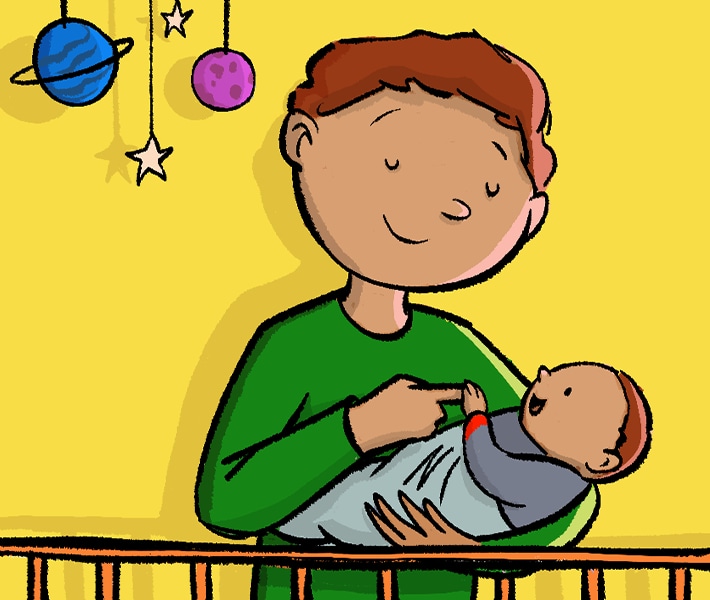
Father holding a baby

The immunisation schedule is carefully designed to provide protection at just the right time.

1. Ideal timing

Like all good babyproofing plans, CDC’s recommended immunisation schedule is safe and effective at protecting your baby. It’s based on how your child’s immune system responds to vaccines at various ages, and how likely your baby is to be exposed to a particular disease. This ensures your little one is protected from 14 potentially serious diseases at exactly the right time. On the other hand, there is no data to support that spacing out vaccines offers safe or effective protection from these diseases.

So who looks at all the research and data to know what timing and doses are best? Hundreds of the country’s top doctors, public health professionals, and scientists design the schedule to ensure it is safe and effective.

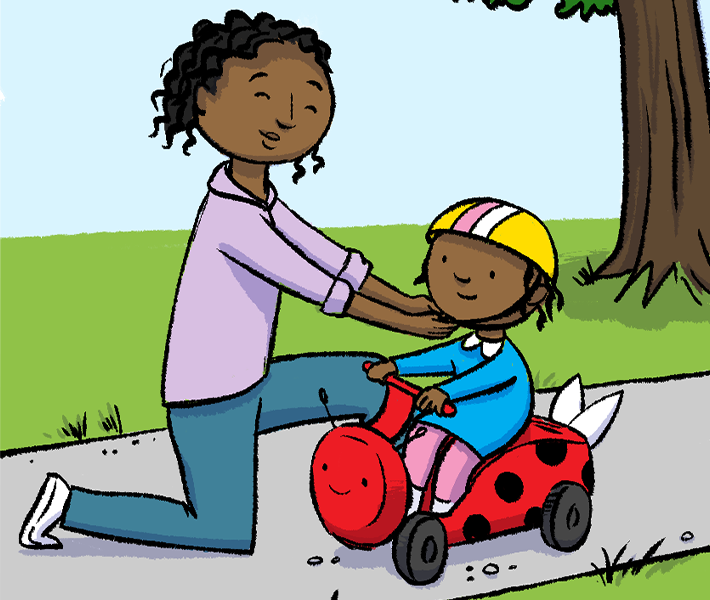
Mother placing helmet on child

While babies are born with some immunity, they have not yet built up the necessary defenses against the diseases that vaccines prevent.

2. Prevent complications

Delaying vaccines could leave your child vulnerable to disease when she’s most likely to have serious complications.

Think of vaccines like a helmet for your baby. Just like safety equipment protects her from serious injury, vaccinating on schedule protects her from potentially serious diseases.

Young babies are at highest risk of serious disease complications. For example, for you, whooping cough may mean a lingering cough for several weeks, but it can be very serious—even deadly—for babies less than a year old. If you delay vaccinations, your baby could be exposed to diseases like whooping cough when she is most likely to have serious complications.

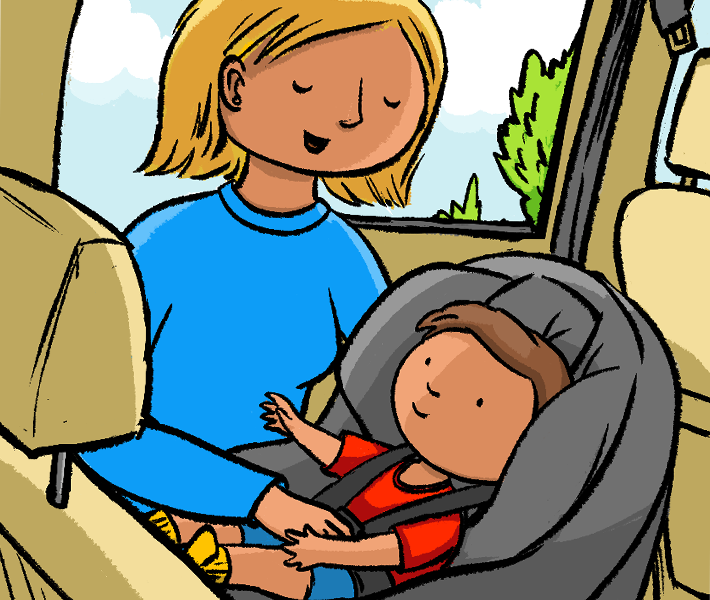
Mother securing baby into car seat

It can take weeks for a vaccine to help your baby make protective disease-fighting antibodies, and some vaccines require multiple doses to provide best protection.

3. Early protection

It’s best to vaccinate before your child is exposed to dangerous diseases.

 You wouldn’t wait until you’re already driving down the road to put your baby in a car seat. You buckle him in every time, long before there is any chance he could be in a crash. Vaccines work the same way—your baby needs them long before he is exposed to a disease.

If you wait until you think your child could be exposed to a serious illness – like when he or she starts nursery or during a disease outbreak – there may not be enough time for the vaccine to work. That’s why the experts who set the schedule pay such careful attention to timing. They have designed it to provide immunity early in life, before children are likely to be exposed to life-threatening diseases.

Child playing with blocks

Children won’t have the best protection from 14 serious diseases until they get all the recommended doses of each vaccine.

4. Best Protection

Your child isn’t fully protected if you cover just a few of the outlets she can reach around your home. Similarly, your baby won’t have the best protection from vaccines until she has all the recommended doses.

Each vaccine is carefully developed to protect against a specific illness. Some require more than one dose to build strong enough immunity to protect your baby, or to boost immunity that decreases over time. Others need additional doses to ensure your baby is protected in case the first dose didn’t produce enough antibodies. Your child needs the flu vaccine each year because the disease changes over time. Simply put, every recommended dose of each vaccine on the schedule is important.

Father helping baby to walk

Breastfeeding provides important protection from some infections as your baby’s immune system is developing. However, breast milk does not protect children against all diseases.

5. Long-term protection

Maternal antibodies and breastfeeding don’t provide enough protection.

Just as you help your child learn to walk, the protection (antibodies) you passed to your baby before birth will help protect your little one from diseases during the first months of life.  And just as your child needs to eventually walk on his own, his immune system eventually needs to fight diseases on its own. Vaccines help protect your child when your maternal antibodies wear off.

For example, when you get whooping cough and flu vaccines while you’re pregnant, you can pass some protection to your baby before birth. However, you can only pass on protection from diseases that you have immunity to, and this can only protect your child in the first few months.

Breastfeeding provides important protection from some infections as your baby’s immune system is developing. However, breast milk does not protect children against all diseases. Even for breastfed infants, vaccines are the most effective way to prevent many diseases. That’s why it’s so important to follow the immunization schedule. It ensures your baby’s immune system gets the help it needs to protect your child long-term from preventable diseases.

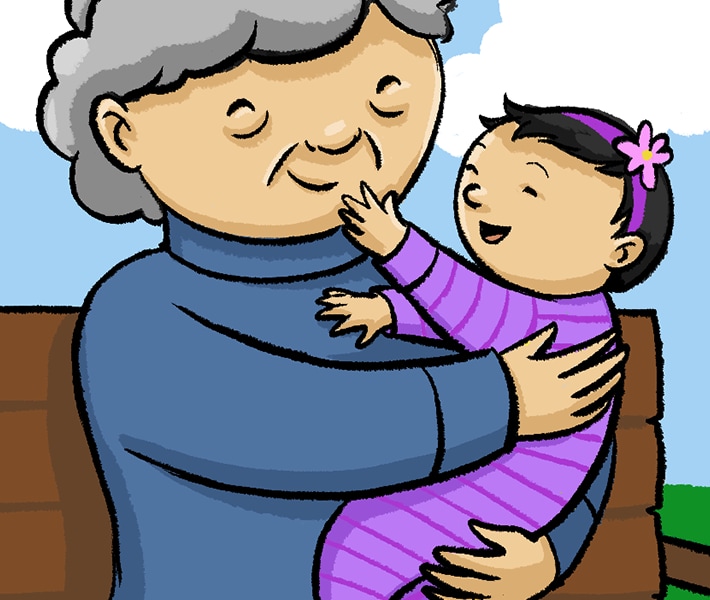
Grandmother holding a smiling baby

Not vaccinating your child on time can make someone else sick.

6. Spreading illness

Children who are not vaccinated on schedule are not only at risk of getting sick themselves, but they can also spread illness to others who aren’t protected, like newborns who are too young for vaccines and people with weakened immune systems. By getting your child’s vaccines on time you’re not only protecting your baby — you’re helping to protect your friends, family, and community, too.

On-time Vaccination: The Ultimate Babyproofing Plan

Most parents vaccinate their children according to CDC’s recommended immunisation schedule, protecting them from 14 potentially serious diseases before their second birthday. Vaccinating children on time protects them and anyone around them with a weakened immune system.

Staying safe during Travel & Travel Vaccinations

Travel Vaccinations

If you require any vaccinations relating to foreign travel:

Please ensure you give us at least 6 weeks notice if this is not the case you may not be best protected and vaccinated before your travels.

You will need to complete a Travel questionnaire (also available at reception) and return the form to reception,  this can be emailed in too. Your destination(s) with details of areas within countries that you are visiting, length of stay at each location and your contact details (including your email address).

The reception team will contact  you and will book you in with the practice nurse having checked your immunisation records we hold, if you feel we may not have all of your records, please send this through at the same time of the sending in your travel questionnaire form so this can be updated onto your immunisation records.

There is further information about countries and vaccinations required on https://www.travelhealthpro.org.uk

It is important to contact us at soon as possible before you travel as some vaccines have to be ordered as they are not stock items.

Some travel vaccinations are ordered on a private prescription and these incur a charge over and above the normal prescription charge. This is because not all travel vaccinations are included in the services provided by the NHS.

Anti malarials can no longer be given on NHS Prescription

Recent changes in Southwark mean that unfortunately GPs can no longer prescribe malaria prevention medicines for travel on NHS prescriptions, but can do so on private prescriptions. Please contact us for charges.

For more information such as malaria, travel vaccinations, EHIC, travel insurance, DVT and jet lag see: https://travelhealthpro.org.uk/countries


Despite many people being fully vaccinated and some pandemic restrictions being lifted, it is still possible to catch and spread Covid-19. Here are some tips to keep as safe as you can whilst travelling and away on your holiday; continue to wash your hands often and wear your masks indoors where the virus is circulating widely.