Contact us for an appointment or admin query with our online consultation service
Support with Mental Health Problems (Child)
Self Refer for Child and Adolescent Mental Health Service (CAMHS)
What is CAMHS?
CAMHS stands for Child and Adolescent Mental Health Service.
CAMHS help children and young people up to 18 who are finding it hard to cope with everyday life because of difficult feelings, behaviour or relationships.
Most of the time when we are sad, angry, stressed or worried these feelings pass within a few days, but if they go on for a while and stop us enjoying and coping with life, then CAMHS can help.
Just as we go to the doctors when we are physically ill, sometimes we need extra help with our mental health.
You may also be offered antenatal classes, including breastfeeding workshops.
Ask your midwife about classes in our area.
Starting Antenatal Care
You can book an appointment with your midwife as soon as you find out you’re pregnant. It’s best to see them as early as possible to obtain the information you need to have a healthy pregnancy, and because some tests, such as screening for sickle cell and thalassaemia should be done before you’re 10 weeks’ pregnant.
Healthy Start is a government initiative designed to enhance the health of pregnant women, mothers on benefits or low incomes, all pregnant women under 18, and children under the age of 5.
Families participating in the scheme receive vouchers that can be used to purchase milk (including infant formula), fresh fruits, and vegetables.
Cervical screening is a way of preventing cervical cancer (cancer of the cervix). It uses tests to find abnormal changes in the cells of the cervix. The first part of cervical screening is to have a smear test. This is also called the cervical screening test.
Why have Cervical Screening?
Abnormal cell changes in the cervix are quite common and often improve on their own. However, in some cases, treatment may be necessary because there is a risk these changes could progress to cancer.
These changes typically don’t cause any symptoms, so you won’t know if you have them without a cervical screening. Screening detects abnormal cell changes, including those most likely to develop into cancer. These cells can then be treated, which is an effective method for preventing cervical cancer.
Who can have Cervical Screening?
Cervical screening is recommended for everyone with a cervix. It’s essential to get screened, even if you’ve received the HPV vaccination. While the vaccine protects against the most common high-risk types of HPV that lead to cervical cancer, it doesn’t offer protection against all types.
Women and people with a cervix aged 25 to 64 will be invited when it’s time for their cervical screening.
Trans and Non-binary People
Trans man or non-binary people who have a cervix should have screening too. An invitation may not be automatically sent if registered as a male – please contact us if you want to have cervical screening.
Trans women or those assigned as male at birth do not need cervical screening. The NHS has more information about other types of screening for trans women.
This page gives you details on the routine childhood vaccinations provided by the practice and how to access them
Childhood Vaccinations
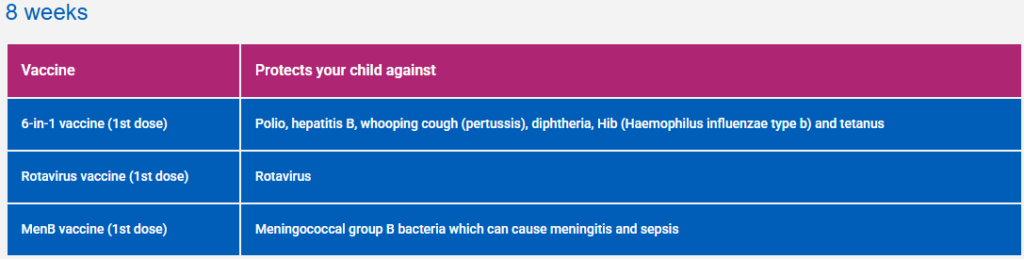
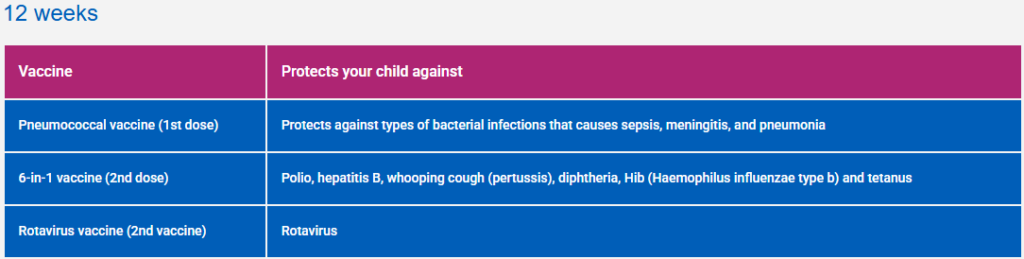
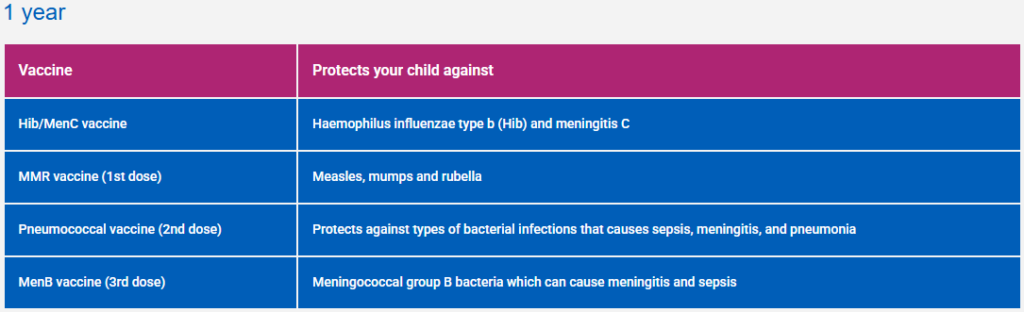
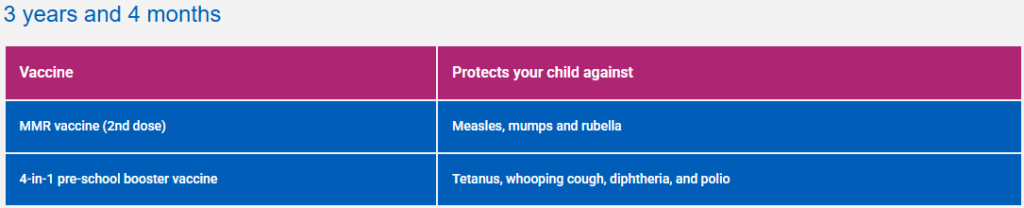
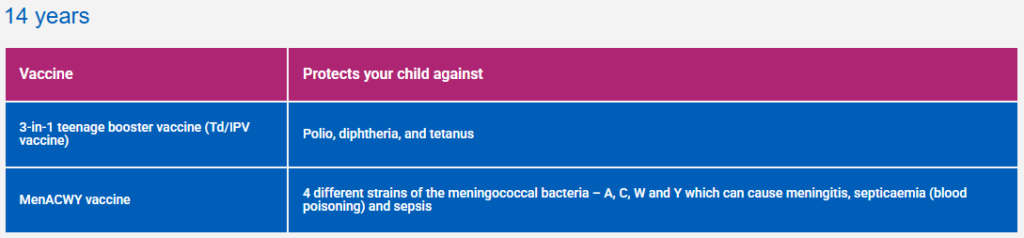
We want to help make sure all children receive their vaccinations on time — it’s one of the most effective ways to protect them from serious illness. This page explains which vaccines are given, when they’re due, and how to book.
NHS Routine Childhood Vaccination Schedule
Here is the current routine immunisation schedule for babies, young children, and teenagers in the UK. These protect against diseases like measles, whooping cough, polio and more.
Why It’s Important to Stay on Schedule
Vaccinating on time gives your child the best protection before they may be exposed to illness.
Delays or missed doses can leave gaps in protection and may require “catch-up” work.
Many vaccines protect not just the child, but also help protect vulnerable people around them.
What If My Child Missed a Vaccine?
If your child didn’t get one or more of their jabs when planned, don’t worry — they may still be able to catch up. Contact us and we’ll check what they need and schedule the missing ones.
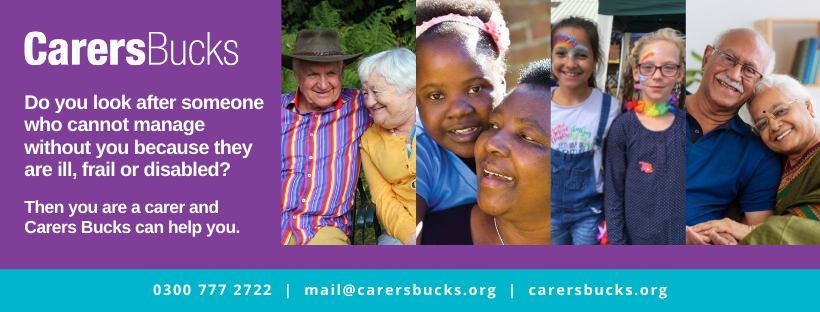
Carers Bucks supports unpaid carers and young carers in Buckinghamshire aged 5 – 95+
Carers Bucks – What Do They Do?
Carers Bucks supports unpaid carers of all ages, from all backgrounds and in all caring roles. This includes young carers, young adult carers, parents of children with a physical or learning disability, older carers, carers from diverse communities, LGBTQ+ carers and those looking after someone with a mental health condition. Carers Bucks also provides support for unpaid carers and the person they care for whilst in Stoke Mandeville, Amersham, Wycombe and Wexham hospitals.
Carers Bucks – What Do They Provide?
Up-to-date information and advice on carers’ issues
Help with knowing carers’ rights and entitlements
Guidance on health and social issues
Help to create an emergency plan
Carer Information and Support Groups
An opportunity to meet other carers
A listening ear and someone to talk to in confidence
The NHS Health Check is a health screening for adults in England between the ages of 40 and 74. It is designed to detect early signs of stroke, kidney disease, heart disease, type 2 diabetes, or dementia. As we age, our risk of developing these conditions increases. The NHS Health Check aims to identify ways to reduce this risk.
Benefits of the NHS Health Check
The NHS Health Check aims to lower your risk of getting conditions that affect the heart and blood vessels, such as heart disease, stroke and kidney disease.
Many of the warning signs for these conditions, such as high blood pressure and high cholesterol, do not have symptoms.
The NHS Health Check helps you find out if you are at risk of getting these conditions so you can take action to improve your health. This could include making lifestyle changes or taking medicines.
The risk factors assessed during the health check are often shared by other conditions, including type 2 diabetes, preventable cancers and respiratory illness. An NHS Health Check could help you to reduce your chance of getting these conditions too.
Dementia and heart disease also share common risk factors.
What happens at an NHS Health Check?
Your NHS Health Check will be done by one of our trained healthcare assistants.
The check takes about 20 to 30 minutes and usually includes:
measuring your height and weight
a blood pressure test
a cholesterol and blood sugar (diabetes) blood test
You’ll also be asked some questions about your health including:
whether any of your close relatives have had any medical conditions
if you smoke, and how much
if you drink alcohol, and how much
how much physical activity you do
Your age, gender and ethnicity will also be recorded
Your NHS Health Check results
You’ll be given your cardiovascular risk score of developing a heart or circulation problem, such as heart disease, stroke, type 2 diabetes or kidney disease, over the next 10 years.
The healthcare professional may describe this risk score as low, moderate or high.
Everybody’s cardiovascular risk rises with age, so the next time you have an NHS Health Check your risk score may be higher, even if your test results are the same.
There are some things about your risk which you cannot change, such as your age, ethnicity and family history. But the most important factors in your risk score (such as smoking, your cholesterol level and blood pressure) can be changed.
Your NHS Health Check results should also be broken down into:
your diabetes risk assessment
your body mass index (BMI) score
your blood pressure
your cholesterol levels
your alcohol use score
your physical activity assessment result
your diabetes risk assessment
Support with Weight Loss
Self refer for support in your weight loss journey with Be Healthy Bucks
Supporting your Weight Loss Journey
Be Healthy Bucks offer a range of healthy lifestyle programmes designed to help you lose weight in a healthy way and keep it off for good.
Their tried-and-tested approach ignores fad diets in favour of small, realistic changes. Their nutritionists and exercise leaders will work with you to help you to achieve your goals.
To take part, you need to be a Buckinghamshire resident and over 16-years-old with a BMI of more than 30 (or 28 for ethnic minorities or people with long-term health issues).
Find support that’s right for you!
Weight Loss Injections…
Mounjaro is a new injection designed to help with weight loss. It works by making you feel full, so you eat less. In trials, people using Mounjaro lost up to 20% of their body weight.
For more information about accessing Mounjaro on the NHS, please click here.